Invisible cracks: how sports impacts wear down the brain’s barrier
8 Jun , 2026
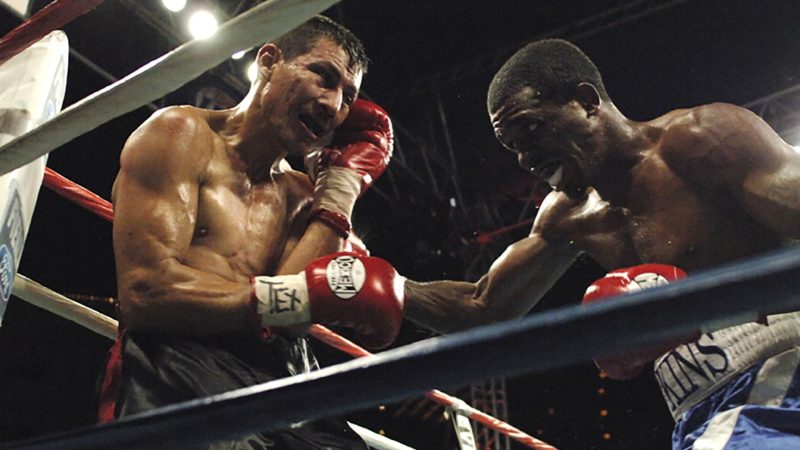
For decades we have pictured the brain as an impregnable fortress, protected by the skull and the blood–brain barrier, a highly sophisticated biochemical customs post whose vital task is to let nutrients through to neurons while blocking toxins, bacteria and immune cells that could trigger inflammation. However, recent scientific evidence published in Nature is rewriting our understanding of how vulnerable this protection can be, especially for people who play contact sports such as rugby, American football or boxing. The most disturbing new finding is not only about the violent impact that causes an obvious concussion, but about the cumulative effect of thousands of micro‑injuries — the so‑called subconcussive blows — which, without knocking the athlete down, create microscopic cracks in our protective barrier.
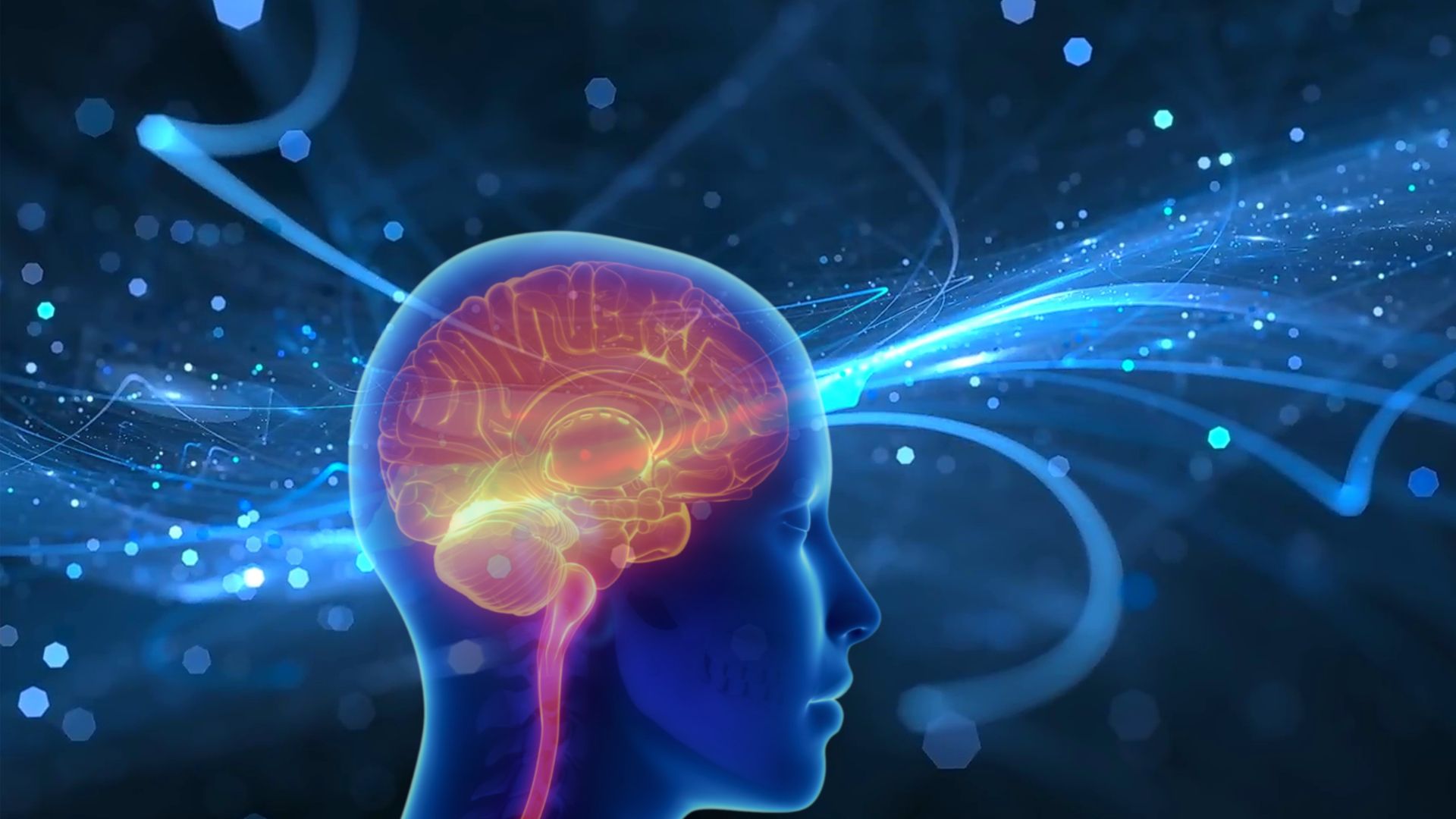
Indeed, advanced high‑resolution imaging techniques have made it possible to observe what happens “under the hood” of the brain’s vascular system. When the head undergoes a sudden acceleration or deceleration, the brain floats in cerebrospinal fluid, mechanically stressing the blood vessels. This stress damages the “tight junctions,” the molecular bolts that hold the cells of the blood–brain barrier together. The result is a barrier that “leaks.” Molecules that should remain in the bloodstream, such as albumin or other inflammatory proteins, can filter into nervous tissue, acting as chemical irritants that activate microglia, the brain’s scavengers, which in turn trigger a chronic inflammatory response.
What makes the research particularly relevant is the discovery that these damages can persist. We are not talking about a wound that heals after a few weeks of rest. In many monitored athletes, barrier permeability remains altered for years, even after the end of their competitive career. This means the brain continues to suffer a silent, ongoing biochemical assault that could be the invisible driver of premature neurodegenerative disease.
The research suggests that monitoring blood–brain barrier health through blood biomarkers or specific MRI scans could become, in the near future, the standard for deciding when an athlete is truly ready to return to play or when the risk to their long‑term health has become too high. It is no longer just a matter of “testing reflexes” or memory after a blow, but of verifying the structural integrity of our biological customs post. Protecting the game means, today more than ever, understanding that the gravest damage is the kind you do not see, but that keeps working silently over the years.
Editorial by Prof. Antonio Giordano