Heart and heart attack: the RNA that teaches the body to repair itself
15 Jun , 2026
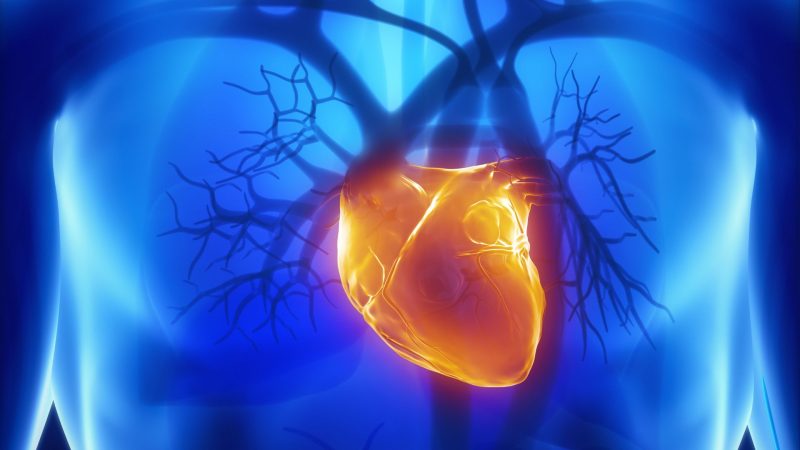
For decades, myocardial infarction was considered an irreversible event. When heart muscle cells die from lack of oxygen, they do not regenerate: a fibrous scar forms in their place that cannot contract, progressively compromising the heart’s ability to pump blood and paving the way for heart failure.
Today, however, that paradigm is beginning to change.
Research published in Science in 2026 suggests that the heart possesses a previously “silent” self-repair capacity that could potentially be activated. At the center of this discovery is an emerging technology: self-amplifying RNA, or saRNA.
If COVID vaccines taught us to think of mRNA as a kind of “temporary instructor” for the immune system, saRNA represents an evolutionary leap. It does not merely deliver a message: it is designed to replicate inside cells, prolonging therapeutic protein production over time with a single administration.
In the study, researchers used saRNA to directly induce production of cardioprotective molecules in the damaged heart. In animal models, the result was twofold: on one hand, a significant reduction in infarct-related damage; on the other, an active improvement in the contractile function of cardiac tissue.
The significance of these findings goes beyond a single study. We are witnessing a profound shift in how therapy is conceived: no longer drugs to be taken continuously, but “biological instructions” that turn the body into a temporary manufacturer of its own cure.
The road to clinical application is still in progress, but the idea of repairing a heart with a simple injection is no longer science fiction: it is a concrete prospect already outlined by research.
Editorial written by prof. Antonio Giordano