The tumor microenvironment and integrated cellular medicine: the new frontier in precision oncology
11 Aug , 2026
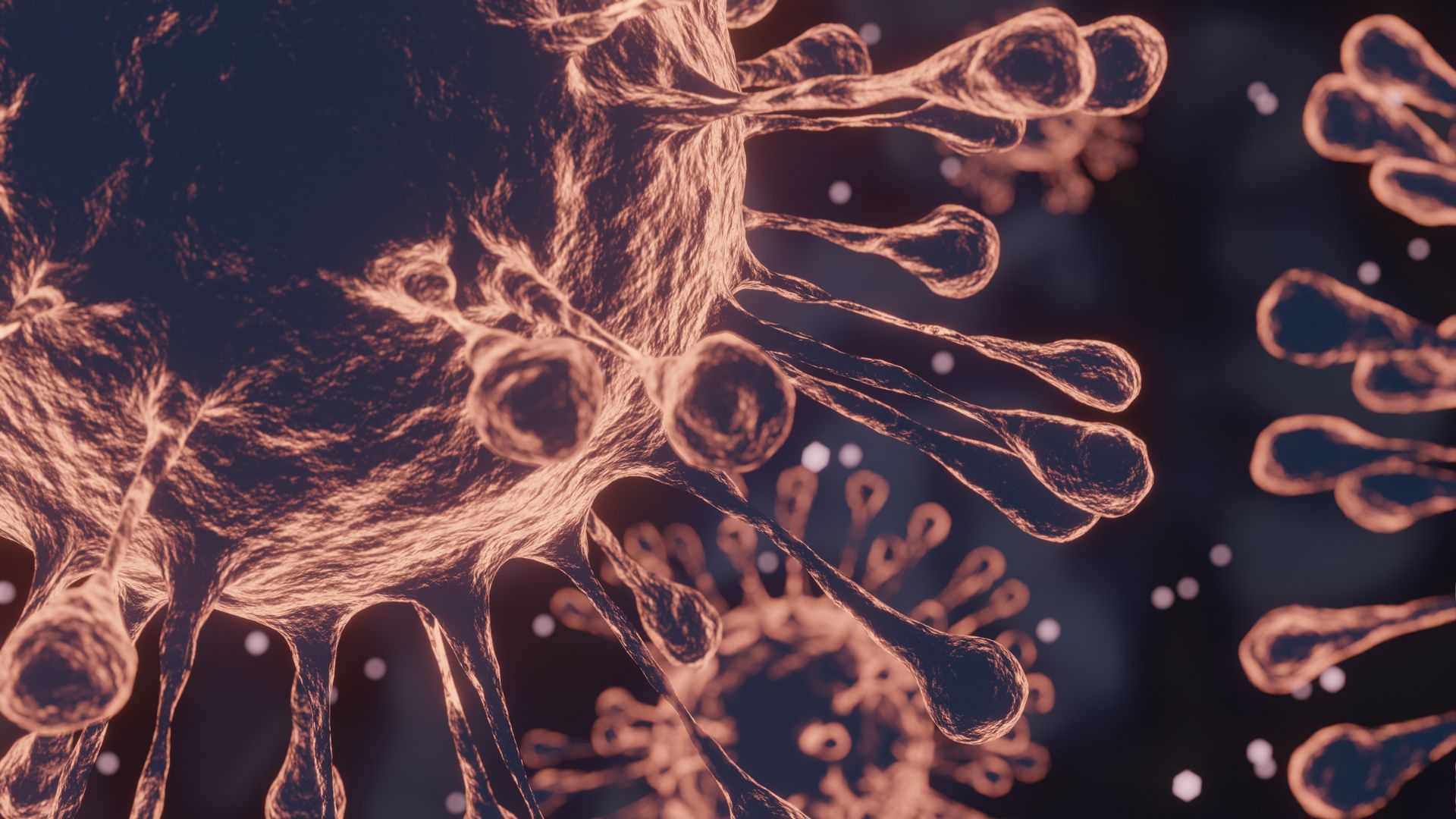
The epistemological transition redefining clinical oncology departs from a purely tumor-centric vision—focused solely on the genomic alterations of the neoplastic cell—to embrace an ecological and systemic paradigm. At the core of this conceptual revolution lies the tumor microenvironment, a complex and dynamic ecosystem in which malignant cells coexist and communicate with stromal components, infiltrated immune cells, blood vessels, and a remodeled extracellular matrix. In this context, integrated oncology and cellular medicine aim to disrupt and reprogram the bioenergetic and immunological architecture that sustains survival, progression, and chemoresistance.
The tumor microenvironment acts as a protective sanctuary for cancer stem cells. Phenomena such as deep hypoxia, extracellular acidosis induced by the Warburg effect, and low-grade chronic inflammation are not merely byproducts of neoplastic metabolism, but epigenetic factors capable of inducing epithelial-mesenchymal transition and orchestrating immune evasion. Tumor cells corrupt resident macrophages and stromal fibroblasts, converting them into pro-tumorigenic phenotypes that secrete growth factors and immunosuppressive cytokines, dampening the activity of cytotoxic T lymphocytes and natural killer cells.
Integrated cellular medicine acts on these regulatory networks, complementing conventional therapies with targeted strategies aimed at restoring tissue and metabolic homeostasis. The approach shifts toward modulating the host’s immune response and rejuvenating cellular surveillance mechanisms, employing advanced therapeutic compounds, repurposed molecules with metabolic activity, and highly bioavailable natural substances capable of interfering with intracellular signaling pathways of inflammation and oxidative stress. The goal is to deprive the neoplastic mass of its trophic stimuli while simultaneously protecting healthy tissues from iatrogenic toxicity.
Intervening in the microenvironment means altering the density of the extracellular matrix to improve drug perfusion, reversing the local state of immunosuppression, and correcting the mitochondrial dysfunctions that fuel cancer’s metabolic plasticity. This synergy between classical molecular oncology and cellular medicine represents the core of an unprecedented therapeutic personalization, where the target is no longer a single isolated mutation, but the entire biological network that enables the disease to proliferate.
Editorial by Prof. Antonio Giordano for the column “Medicine – The Highlights” published in Il Mattino.