Aladynoulli, the new frontier of predictive medicine
3 Sep , 2026
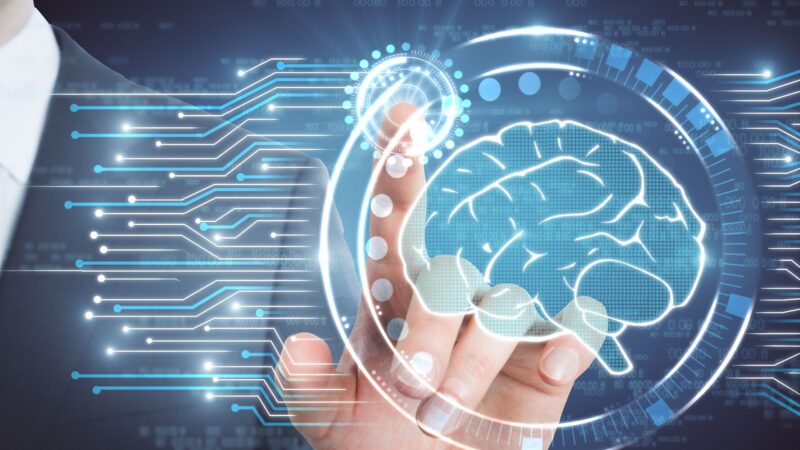
Modern medicine’s big gamble is changing course: it is no longer about guessing which disease will strike us, but about understanding which biological path we are tracing
Let us imagine our health not as a series of photos taken suddenly in moments of crisis, but as a film ongoing for a lifetime. For decades, medicine has worked on snapshots: a blood pressure reading, a cholesterol test, a cancer screening. Yet the human body does not work in watertight compartments. It is a complex symphony in which a silent inflammation, a metabolic alteration, and a predisposition written in DNA play together for years before manifesting as pathology. Modern medicine’s big gamble is changing course: it is no longer about guessing which disease will strike us, but about understanding which biological path we are tracing step by step.
This is the heart of ALADYNOULLI, a new artificial intelligence model presented in the journal Nature.
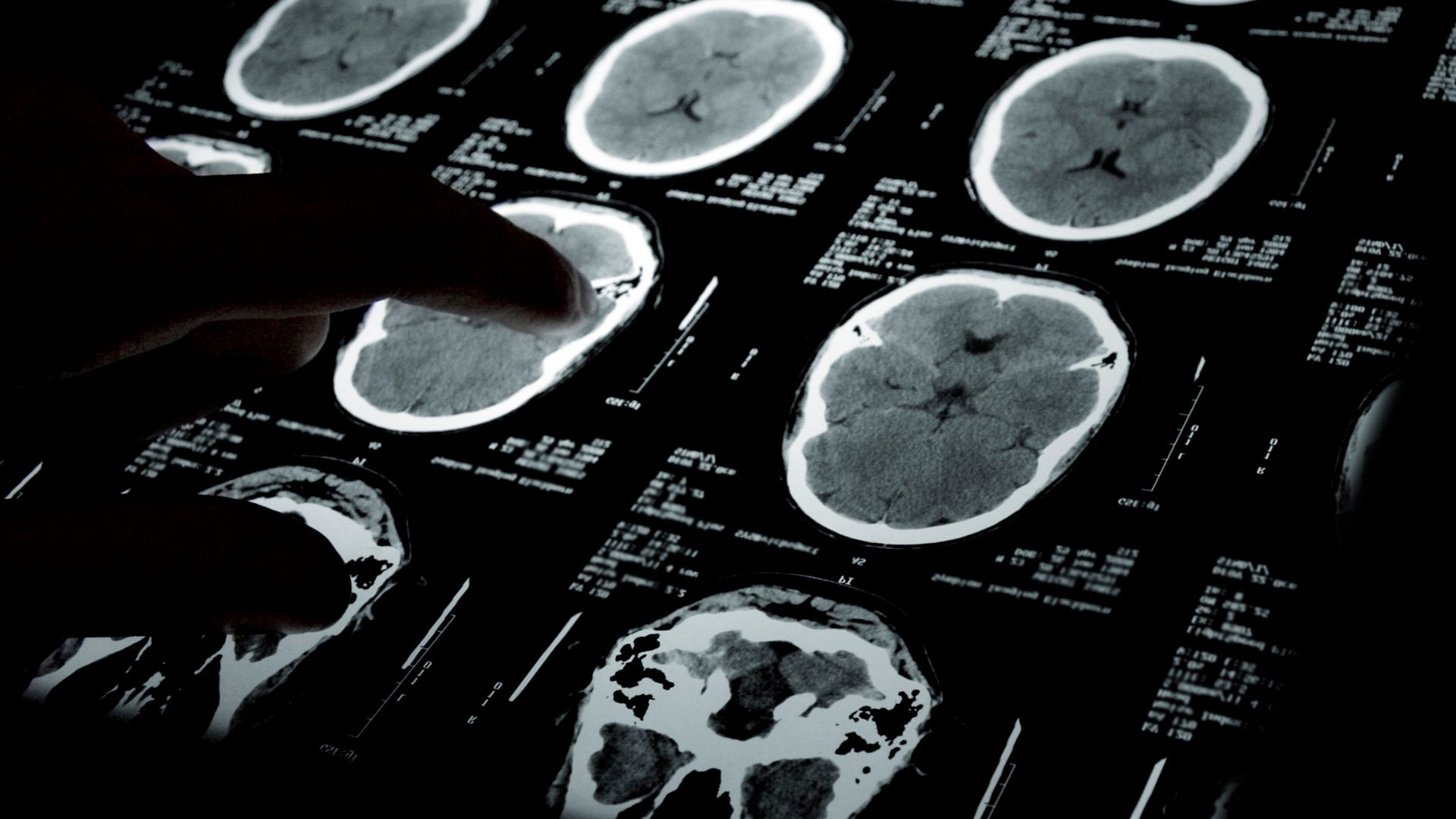
An international team has combined electronic health records, demographic data, and genetic profiles to simultaneously track the risk of 348 medical conditions. The study cross-referenced the lives of over 683 thousand people by drawing on colossal databases such as the UK Biobank, Mass General Brigham, and the All of Us project, reconstructing historical clinical histories that were in some cases more than fifty years long.
The real revolution lies not in pure computing power, but in the big picture. The system discovered 21 disease “signatures”: true biological fingerprints of our organism in which seemingly distant pathologies intertwine over time.
This approach radically changes the very meaning of diagnosis.
Two women who receive the same breast cancer diagnosis can arrive at that moment through completely different biological and genetic roads. Beneath the same clinical label lie unique stories.
On the prevention front, the data speaks clearly: for the estimation of oncological and cardiovascular risk, the model showed a precision clearly superior to the traditional formulas used until today.
To be sure, no algorithm has a crystal ball. Clinical data carries inaccuracies with it, and machines are not yet able to fully measure the impact of our daily choices, from the food we eat to the stress we breathe. Furthermore, predicting a risk has value only if it offers us the tools to defuse it.
But the direction is set.
Medicine is finally stopping waiting for disease at the finish line and beginning to walk alongside us along the way. Not to reveal a destiny written in stone to us, but to teach us to read the first signs of the wind while we still have time to adjust the sails.
Edited by Professor Antonio Giordano for the column “Terra Medica” for La Voce di New York