Environment and cancer: from risk awareness to prevention and remediation strategies
13 Oct , 2026
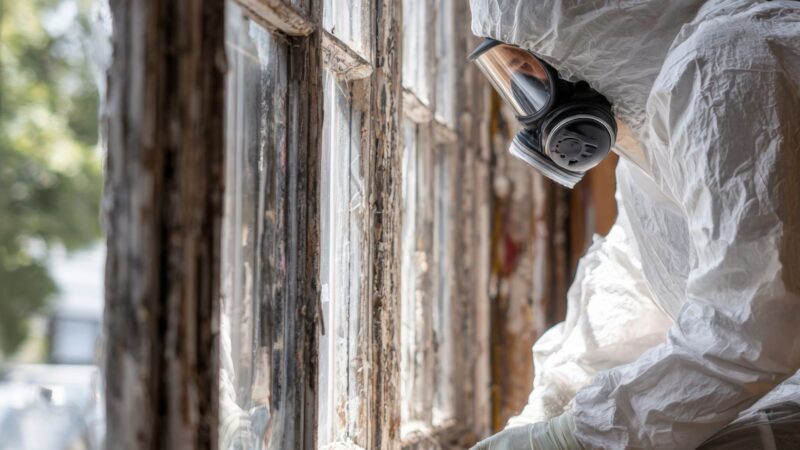
The real task of science and health institutions is not to fuel resignation or vague alarmism in the face of daily poisons, but rather to transform knowledge of environmental impact into primary prevention, environmental remediation, and genuine protection of public health. To understand the magnitude of exogenous determinants on oncological development, it is necessary to clarify official scientific data. The list of the International Agency for Research on Cancer, updated as of July 3, 2026, includes 135 agents in Group 1, i.e., known human carcinogens; 98 in Group 2A, probably carcinogenic; and 329 in Group 2B, possibly carcinogenic. It is essential to clarify that the term “agents” does not include only chemical substances, but a complex set of mixtures, radiation, infections, occupational exposures, and habits such as tobacco and alcohol consumption.
As a scientist, I must reiterate the fundamental difference between hazard and risk. The IARC classification identifies the intrinsic capacity of a substance to cause harm, but the concrete risk for the citizen depends on the dose, duration, route of exposure, and individual vulnerability. However, epidemiological analyses by the World Health Organization and IARC indicate that about 37% of new cancer cases worldwide in 2022, equal to 7.1 million diagnoses, were associated with preventable causes. This fact should not place blame on those who get sick, but demonstrates the strategic value of prevention.
In daily life we must pay attention to smoking, alcohol, air quality, radon in buildings, sun exposure, and occupational risks. Precision is also needed on PFAS: there are thousands of different molecules and IARC has classified PFOA as carcinogenic to humans and PFOS as possibly carcinogenic. Individual prevention remains an indispensable piece: not smoking, reducing alcohol, following a diet rich in vegetables while limiting processed and ultra-processed meats, maintaining a healthy weight, exercising, protecting oneself from the sun, and adhering to vaccinations and screenings. But we cannot shift the full burden of prevention onto the citizen. No one can choose the air they breathe or remediate water and soil on their own. Transparent environmental controls, workplace protection, environmental cleanups, and industrial policies capable of replacing hazardous agents are needed. The medicine of the future must not only find new therapies, but prevent tumors from developing, creating environments in which falling ill becomes a less likely event.
Editorial by Professor Antonio Giordano for the column “Medicina gli Highlights” published in Il Mattino