Microplastics: Red, Orange, Green, and Zero Guide to Safer Choices
14 Apr , 2026
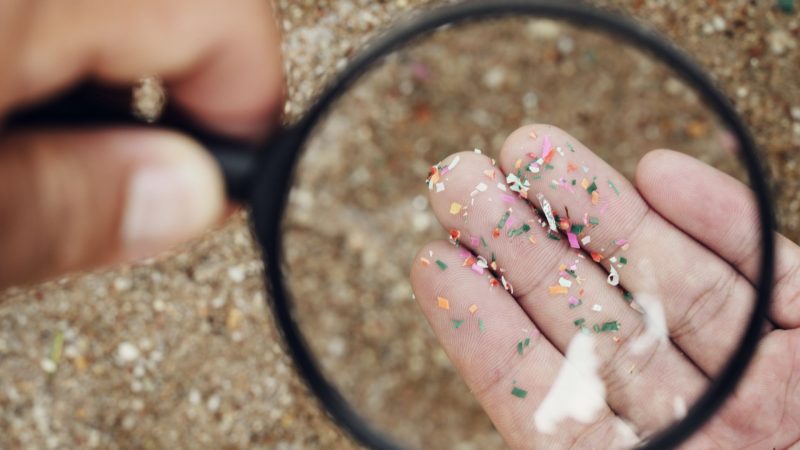
Today, in light of the restriction proposal by the European Chemical Agency (ECHA) and the reports from UNEP we have identified over 500 microplastic ingredients commonly used in cosmetics and personal care products.
This information can be overwhelming, which is why following you can read four product categories: Red, Orange, Green, and Zero.
This list focuses on the persistence, bioaccumulability, and toxicity of these synthetic polymers, their biodegradability, and potential risks to human health.

Red
Products on the Red List have been found to contain synthetic polymers which are commonly considered to be microplastic ingredients. These include but are not limited to Polyethylene (PE), Polypropylene (PP), Polymethyl methacrylate (PMMA), Nylon (PA), Polyurethane, and Acrylates Copolymer.
You can recognize whether there are microplastic ingredients in your products by consulting this detailed Red List.
Orange
Products on the Orange List contain synthetic polymers termed as “skeptical microplastic”. These include but are not limited to poloxamer, PEGs, PPGs and (certain types of) Polyquaterniums. Also include carbon-free, soluble, and liquid polymers.
Some studies indicate toxicity of these ingredients to human life, some to aquatic environments, and for others without enough information. The information on persistency and biodegradability is particularly hard to find.
We advise on not using products that contain these “skeptical microplastics” as there is not yet sufficient information about their impact on human and environmental health.
Green
Products on this list do not contain any ingredients from the red & orange lists. However, brands on this list might not have their entire range of products free of all possible microplastic ingredients.
Zero
Brands on this list have their entire range of products free of ingredients from the red and orange lists. The brands on this list carry the Zero Plastic Inside certification logo because they have publicly declared that their products are free of microplastic ingredients.
To help you check ingredients on the go, several apps can scan product labels and reveal hidden microplastics quickly and easily.
You can read the full guide by clicking here.