The science of meaning: why having a purpose can lengthen your life
13 Jul , 2026

Viktor Frankl’s story is not only a testimony of extraordinary resilience, but also the origin of a revolution in how we understand the human mind.
A survivor of the Nazi concentration camps, Frankl reached a conclusion that went against the major psychological theories of his time: what truly drives human beings is not the pursuit of pleasure or power, but the need to find meaning.
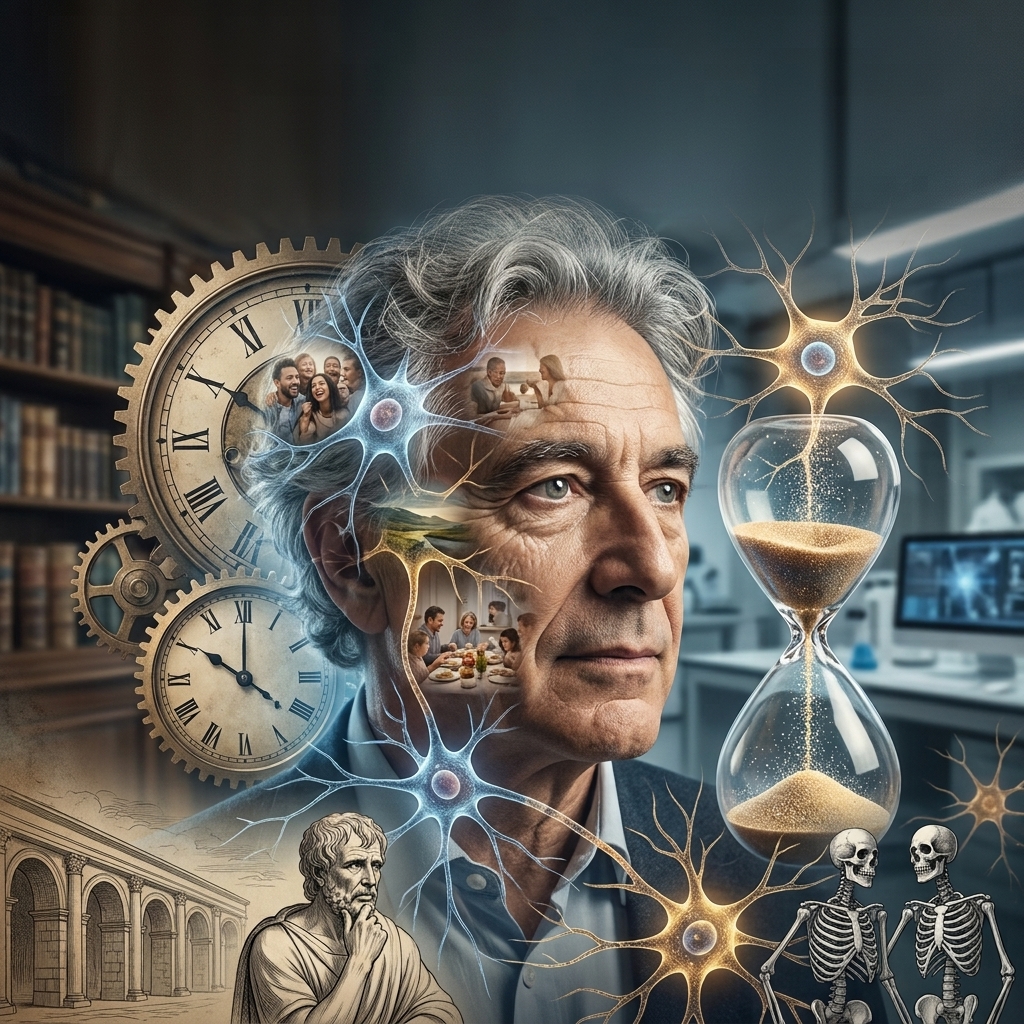
From this insight logotherapy was born, an approach that today converses with neuroscience and psychoneuroendocrinoimmunology (PNEI), the discipline that studies the interplay between the mind, the nervous system, hormones, and immune defenses. In other words, contemporary science is beginning to demonstrate what Frankl intuited under extreme conditions: meaning is not merely a philosophical issue, but produces measurable effects on the body.
In recent years, studies published in high-level journals such as Proceedings of the National Academy of Sciences have highlighted a crucial distinction between two forms of well‑being. On one side is hedonic well‑being, linked to immediate pleasure; on the other is eudaimonic well‑being, which arises from pursuing a meaningful purpose. Results show that those who live with a strong sense of existential direction present a more favorable biological profile: lower chronic inflammation and a more effective immune response, especially against viral infections.
In concrete terms, having a “why” appears to function as a biological safeguard.
When we perceive that what we do has value, the brain better regulates cortisol production, the stress hormone. When present in excess over long periods, cortisol can weaken the immune system, reducing the effectiveness of T lymphocytes and Natural Killer cells, which are crucial in defending against viruses and tumor cells.
The evidence does not stop there. Large‑scale studies published in Psychological Science indicate that having a purpose in life is one of the best predictors of longevity, often more relevant than many behavioral habits. Even more striking are data from meta‑analyses in Psychosomatic Medicine, which report a significant reduction—around 17%—in the risk of cardiovascular events among people with a strong sense of mission.
The central point of Frankl’s legacy is simple but radical: even under the most extreme conditions, human beings retain the freedom to choose their attitude. Today we know this freedom is not only an inner act, but a concrete biological resource. Meaning, in fact, is not something passively found in the external world. It is an active construction, an interpretation we give even to the most difficult experiences. And it is precisely in this daily, often silent choice that not only our psychological balance is decided, but also our organism’s capacity to remain healthy.
In an era marked by disorientation and existential emptiness, rediscovering one’s purpose is not an intellectual luxury. It is, increasingly clearly, a biological necessity.
Editorial by Prof. Antonio Giordano for the column “Medicina gli Highlights” published in Il Mattino