World Liver Day 2026: Prevention Starts with Food
17 Apr , 2026
On the occasion of World Liver Day 2026, the international scientific community gathers around a fundamental concept: “food is health.” This message underscores how prevention represents a universal language, capable of bridging oceanic divides and uniting communities and healthcare systems in a shared mission.
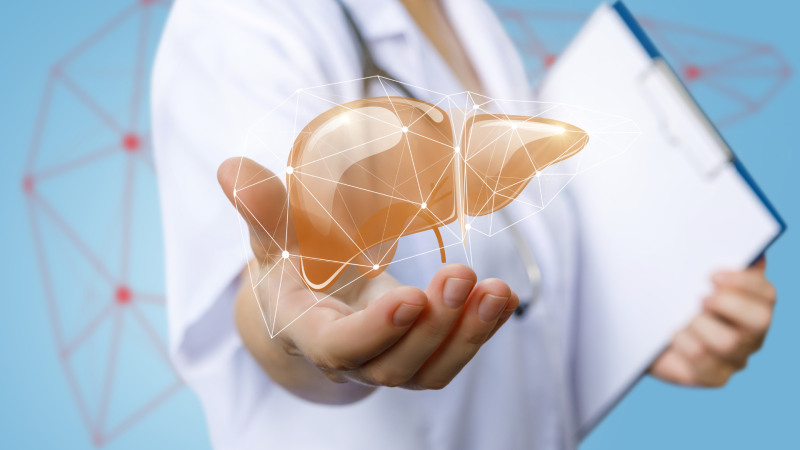
The liver is not just an organ, but the true laboratory of the human body. Silent yet tireless, it is responsible for metabolism, detoxification, and maintaining the body’s biochemical balance. It transforms nutrients and neutralizes toxins; yet, all too often, its importance is underestimated until critical problems arise.
Today’s scientific literature, supported by studies from the Sbarro Health Research Organization (SHRO), speaks clearly: the vast majority of liver diseases are preventable through lifestyle modifications.
I had the opportunity to share this perspective as part of an important initiative dedicated to young people and prevention, included in a program promoted by Dr. Vincenzo Bottino, General Director of the Evangelico Betania Hospital in Naples, and Dr. Ernesto Claar, who have long been committed to spreading a culture of health among the new generations.
The Main Threats to Liver Health
The current threats are concrete. They range from foodborne infections, such as hepatitis A caused by consuming contaminated water or food, to hepatitis B, for which vaccination remains the most powerful weapon.
A growing challenge is posed by metabolic diseases, particularly the so-called “fatty liver” or MASLD. This condition, linked to overweight, diabetes, and poor diet, is showing a worrying increase and, if ignored, can progress to chronic inflammation, fibrosis, and cirrhosis.
A crucial point concerns alcohol consumption, with particular reference to binge drinking. This phenomenon, widespread among younger generations, involves consuming large amounts of alcohol in very short times. It is not just excess, but a true metabolic assault that subjects the liver to sudden and repeated stress, with potentially irreversible long-term consequences.
However, the real revolution lies in the method. The communication model must be rethought, favoring direct “youth-to-youth” dialogue. Students in health and social fields should not be mere listeners, but active protagonists of change.
Prevention and the Role of New Generations
Today more than ever, prevention must be participatory, shared, and concrete. It is through the direct involvement of younger generations that we can truly make a difference. It is in the awareness of daily choices, starting with what we decide to put on our plate, that the future of global prevention lies. Scientific research must continue to guide this path, providing the tools needed to understand that every meal can be an act of health or a potential risk.
Protecting the liver means protecting the entire metabolic system and ensuring healthy longevity. Coordination between academic research and local communities is the only viable path to stem the wave of chronic diseases linked to incorrect lifestyles. The culture of health must become a shared heritage: from schools to every single table. Only by transforming knowledge into consolidated habits will it be possible to build a healthier future for new generations.
Only in this way can the message of this day translate into real social and health change, making prevention one of the fundamental pillars of a modern and aware society.
Article written by Prof. Antonio Giordano for “La Voce di New York”